At the doorway, part I
Liverpool's '25-'26 season: the recruitment

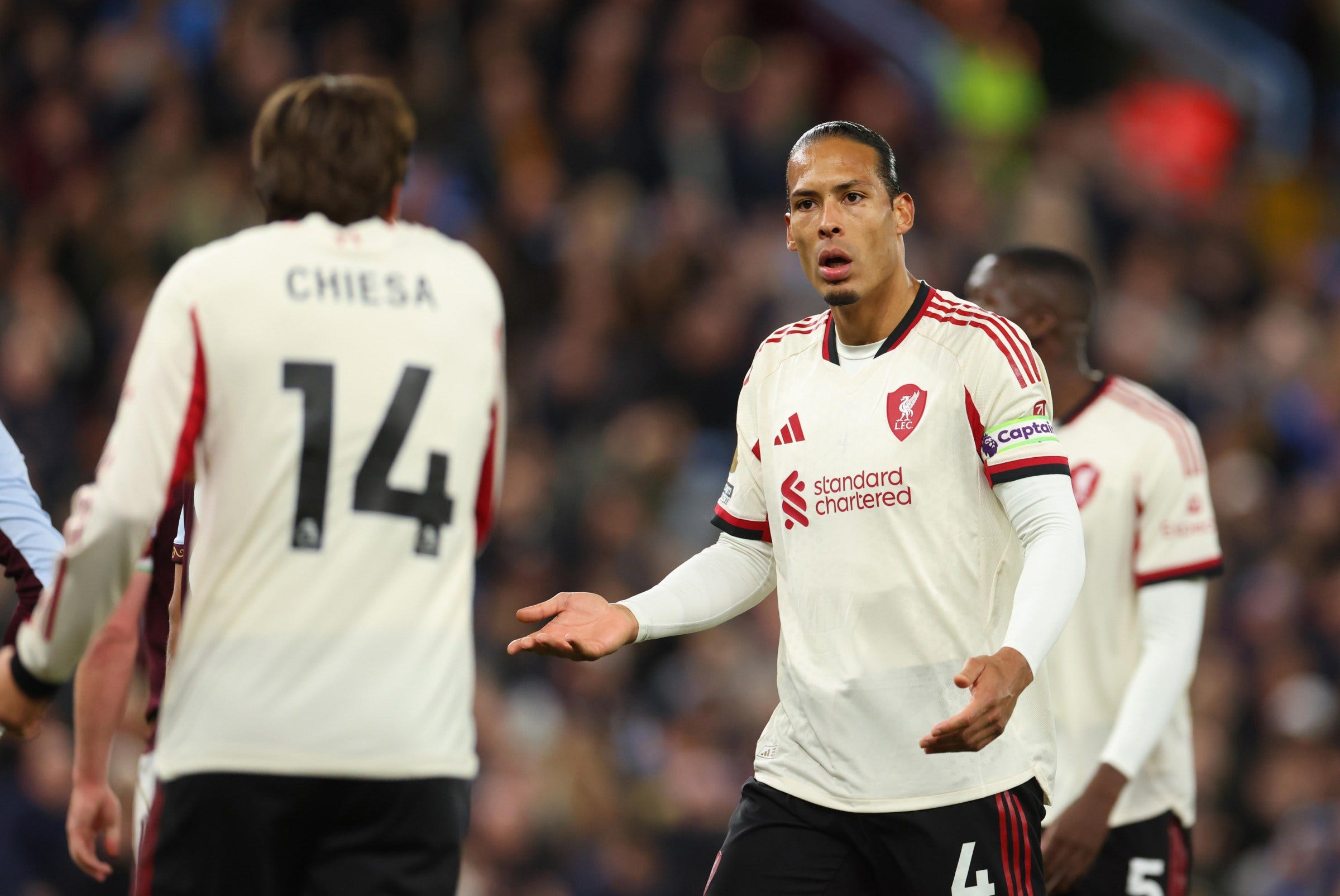
The most popular question among Liverpool fans/supporters at the moment is: Where did it all go wrong? How did a squad that had won the league and come thisclose to likely winning another Champions League (per the Opta computers, anyway) and looked to be built for sustained success come crashing down like this? For that matter, how did said squad end up like this after spending a net £225 million? There is, of course, no easy answer to this question because it’s comprised of three different areas, as with most sports teams: recruitment, coaching and performance. Each of those areas contributed to the downfall in the same way that they enabled the league win last season. This is how these things work, so you can’t simply point at Arne Slot and say: “He’s the reason we failed.” since you’d also have to point at him last year and say: “He’s the reason we succeeded.” if you wanted to be consistent. Since no one wants to be like Chelsea and fire a manager/head coach a year after he won the league for you, it’s probably helpful to look at broader or additional causes, even if the main culprit in these proceedings might, in fact, be the head coach.
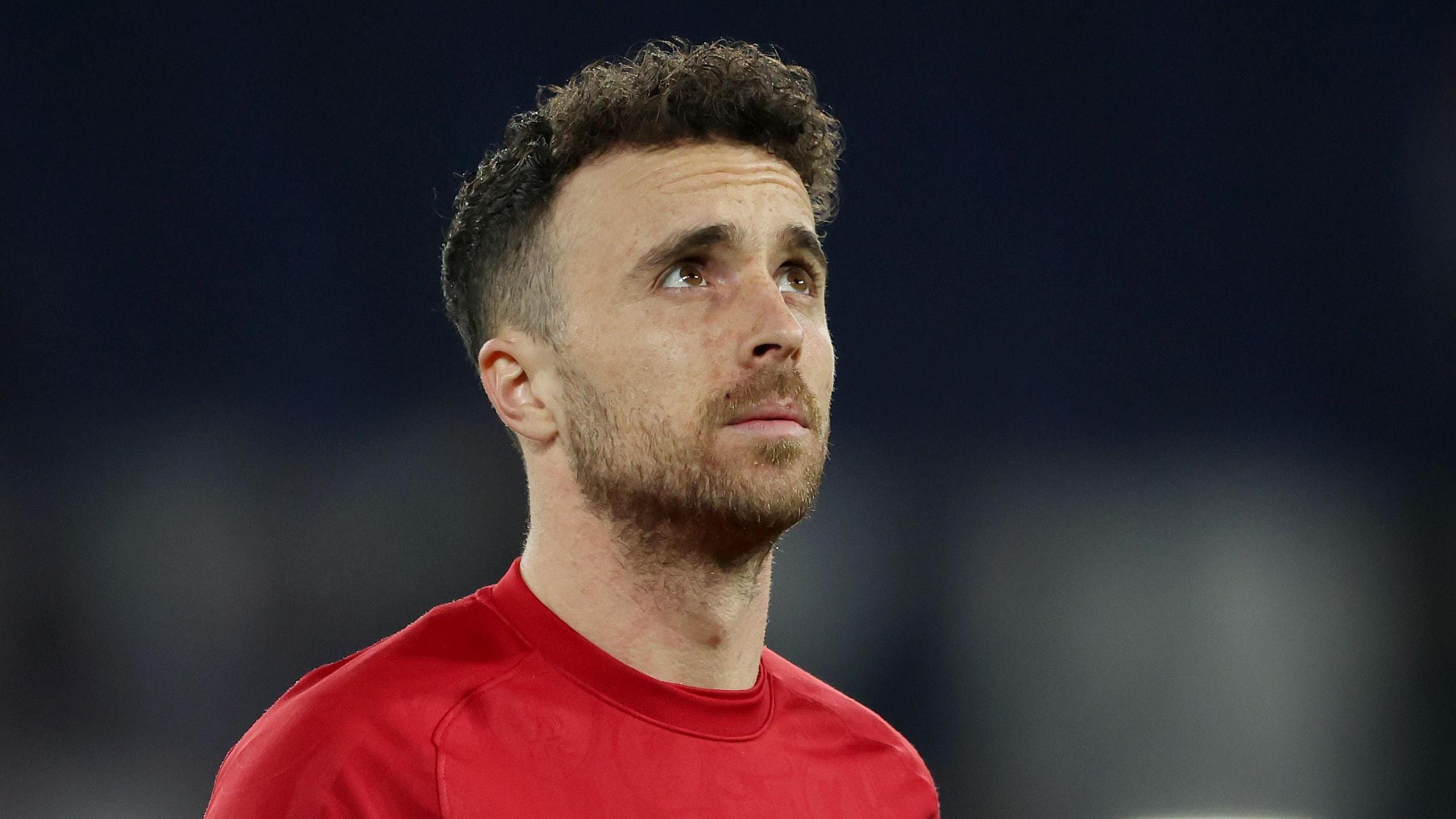
First off, let’s get one thing out of the way. The tragedy of Diogo Jota’s death certainly had an impact on team performance. The players wouldn’t be human if it didn’t. That’s definitely among the series of factors that has to be considered and I don’t want to minimize its impact. However, I also don’t want to lean on it. The impact of his death didn’t cause us to get shut out at Anfield by a Nottingham Forest squad that only just escaped the jaws of relegation last week. It didn’t cause us to implode (again at Anfield) against a PSV side that, yes, are the Eredivisie champions but… are the Eredivisie champions. A 2-1 thriller that we somehow bobbled away? Sure. Not a 4-1 beatdown where they ran us off our own pitch in the second half. Those were the moments when I looked at what was happening and didn’t think about the impact of Diogo but rather why a coach wasn’t able to get his players to respond in the way that they should. There were elements of “6-1 Stoke City” there that told me that this situation simply wasn’t going to work out, no matter how great last season was. And it wasn’t great all of last season, either, which we’ll get to. But, first, the foundation.
Recruitment
The Premier League has become kind of an absurdity in the world of the absurd which is football. The vast amounts of money sloshing around not only lead to even bottom-dwelling clubs being loaded with talent in comparison to most other leagues in Europe but also to ridiculous prices being paid for players that may be excellent in those other leagues, but can’t really cut it when it comes to the mass amount of talent opposing them on the pitch in this league. The ‘24-’25 squad, having been assembled in years prior with the help of Jürgen Klopp, seemed to be built for sustained success. The midfield had been reconstructed. The forward line was still excellent. The defense was still solid, if graying in certain areas. When last summer rolled around, we knew that we were losing the talisman that was Trent Alexander-Arnold, which meant that our playing style would have to change. Have to. There’s no right back in world football that can replace what he does, so we’d have to find a different way of approaching things. Likewise, we knew that our primary threat on the left, Luís Diaz, was also departing, having wanted a long-term contract and the team of Michael Edwards and Richard Hughes not being interested in giving one to a solid-but-not-spectacular player at the age of 29. Furthermore, we knew that Darwin Núñez was leaving, with his career having stalled on account of his inability to make the transition from the Primeira Liga to the PL, so our depth at forward was also going to take a hit.
I think that the loss of those three offensive players, on top of the loss of yet another in Diogo, was foremost on the mind of Hughes/Edwards and it may have encouraged the spending spree that followed, even though there were other areas on the squad that needed reinforcement, like centerback and defensive midfielder. Those areas were highlighted because of Arne Slot’s seeming disinterest in rotating those positions, leading to obvious signs of exhaustion by the middle of our defense at the end of last season. If we weren’t going to play people like Jarell Quansah and Wataru Endo, why did we have them on the squad? That, of course, played into Jarell’s departure, to our detriment. Consequently, we could’ve been looking in different areas if we wanted to keep all areas of the pitch on as even a keel as possible. We didn’t and we may be suffering for it.
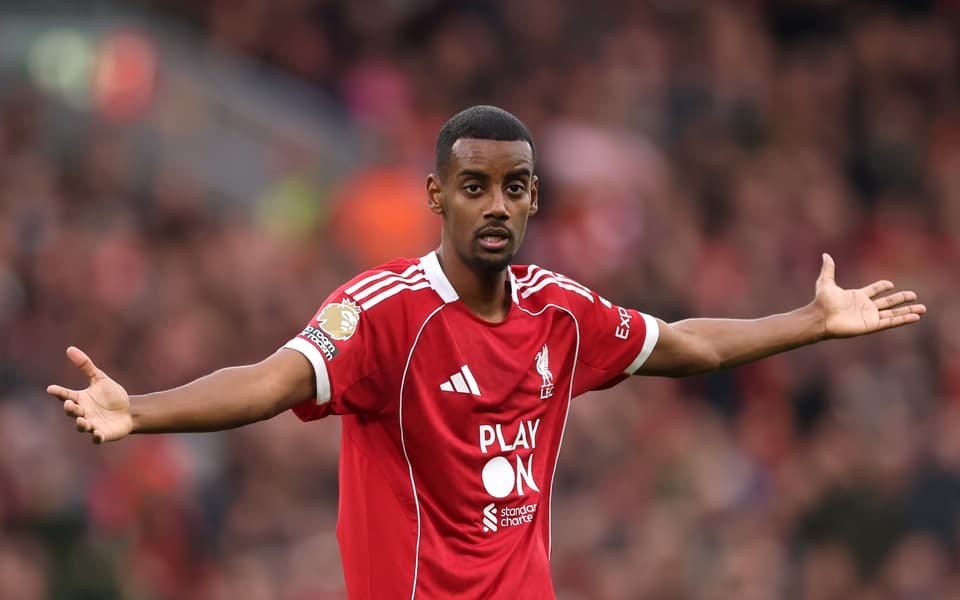
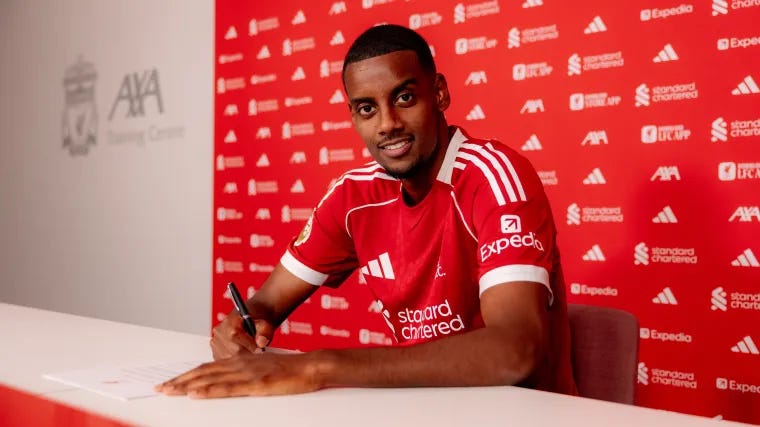
Let’s talk about the sore thumb first: Alexander Isak. Alex is not worth €145m, full stop. He isn’t. That’s one element of the price absurdity that has taken hold in world football, but mostly in the PL because that’s where the money is. For that money, we easily could’ve found another solid DM and another solid CB that would’ve been in regular rotation (if Arne was willing to do so, but we’ll get back to that.) But the most glaring issue about that buy is that Alex doesn’t play how we play. He’s a true #9 who needs service from both wings and midfield. That’s not the way we’ve played for a decade and we had just come off a season where the bulk of our service was going to the right wing (Mohamed Salah.) Certainly you can argue that if Mo’s output began to decline (surprise!), we’d need another approach and if we were going to regularly face defenses who focused on Mo (as we had for 8 years), it would be better to have options. But a true #9 either needs guys who can drop pinpoint passes into the final third (we were losing our main outlet in that respect) or needs a really capable set of midfielders focused on delivering those passes and otherwise just running interference (see: Newcastle United.) That’s not us. That’s not Liverpool and hadn’t been for a decade. Jürgen made some moves in that direction with Núñez but it didn’t work and we abandoned it. But, of course, we were also recruiting the perfect #10 to deliver those passes, right?
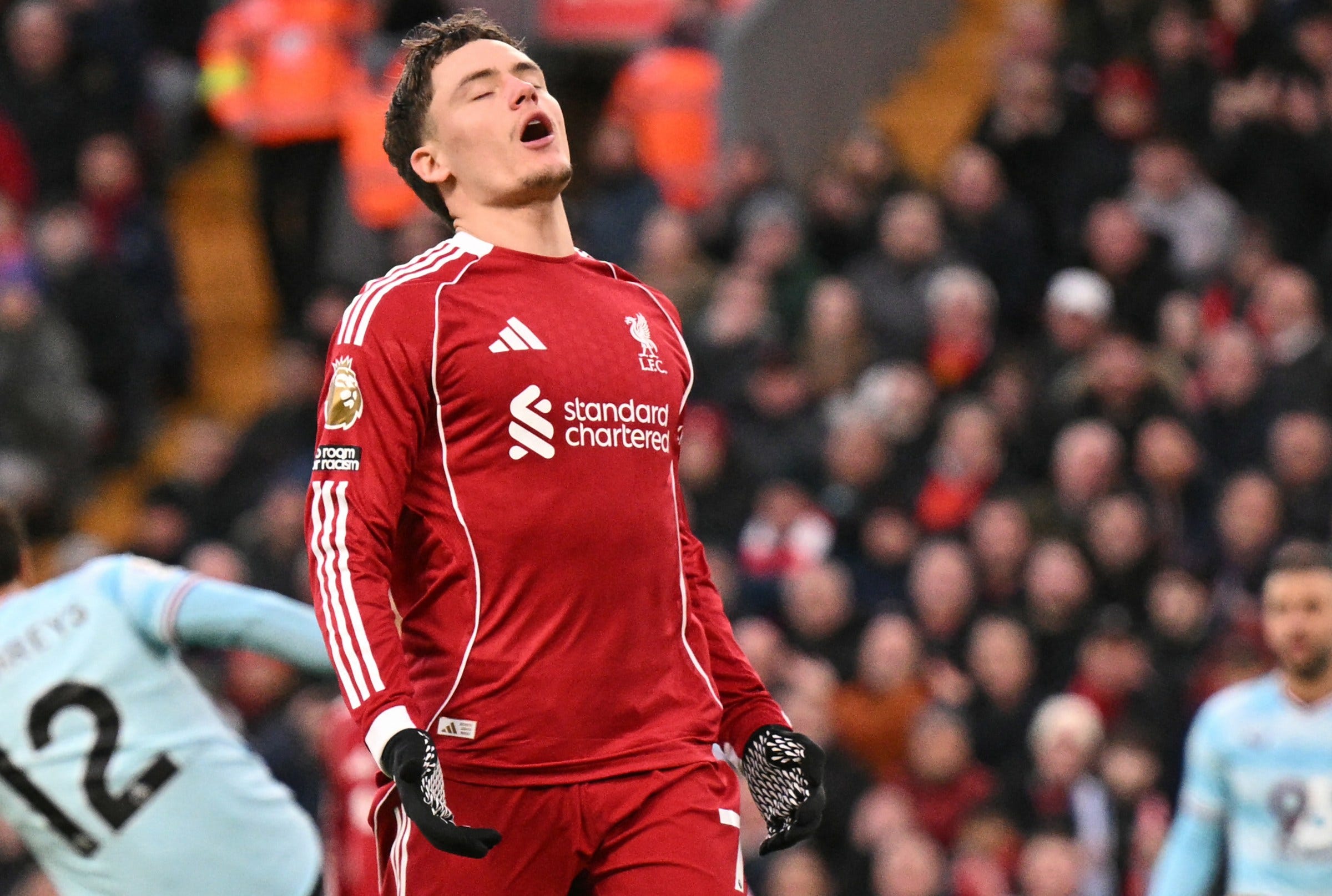
For all of the talent he possesses, Florian Wirtz may not be a Premier League-level player. You can see that talent in the way he passes and in the number of chances he creates (as of this writing, 61, precisely half of Man United’s Bruno Fernandes.) Earlier in the season, Opta declared that he was creating more chances than almost anyone in the top five leagues of Europe. But that has since declined, to the point that he’s now producing at an output lower per 90 than players like Enzo Fernandez, Bukayo Saka, Jérémy Doku and, um, Dominik Szoboszlai, none of whom except Fernandes are tasked with the role that Florian currently plays. A probable cause for that decline is that he’s been found out by the rest of the PL, in that he’s simply neither strong nor fast enough to compete at this level. Sure, he looked brilliant in the Bundesliga and continues to be so every time he plays for Germany, both of which are steps down from what the PL currently is: a league that pays over the top for skill AND strength AND speed. Now, you can increase strength. There’s no finer example of that than Mo, whose discipline about fitness and training permits him to now shrug off challenges that he formerly wouldn’t. But you can’t teach speed which isn’t so essential for a #10, but is still a factor and has become a more obvious one to everyone watching Liverpool this season, given the ponderous pace of our (eventual) moves forward.
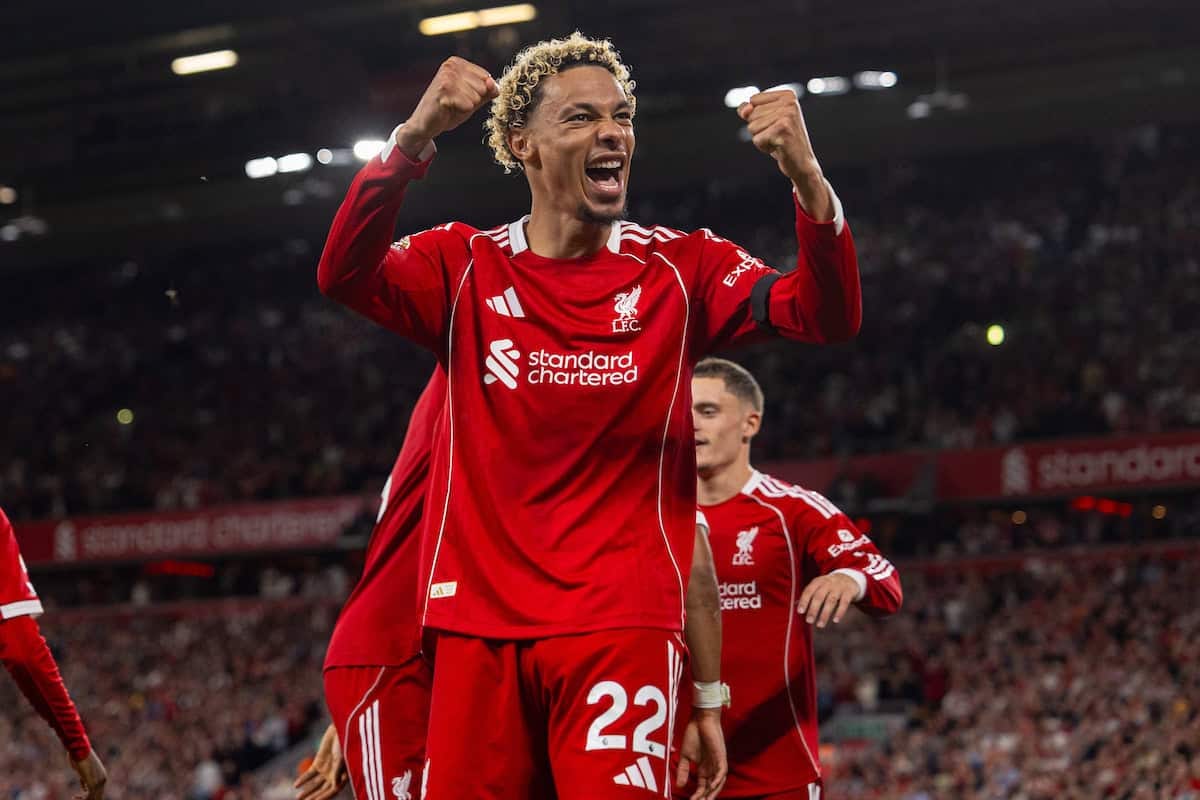
I don’t believe in an omnipresent “Bundesliga tax.” Not every player that comes from the German league is running uphill when it comes to play in England. There’s no better example of that than Hugo Ekitike, who hit the ground running (literally) and has performed the best out of any of our many purchases last summer. But there is a difference, certainly. Lucho was a star forward for Liverpool. He’s transformed into one of the best left wings in Europe playing for Bayern because the level of opposition is simply lesser. And it’s not just the Bundesliga, of course, since it’s easy to look at players on our roster who excelled in other leagues and still do so in international play who can’t quite make it here. Cody Gakpo is the standout in this respect, but we’ll get to that when I look at the players. Do I think Florian Wirtz was a smart buy? Yes, with reservations. If he can increase his strength to the point where when the opponent simply drops two players on him when he approaches the final third, they can no longer simply lift the ball off of him before he can make one of those spectacular passes then, yes, I think the buy will pay off. If not, then, no. Even then, do I think he was worth €125 million? No.

Going away from the center, we can look at Jeremie Frimpong and Milos Kerkez. The former has the stigma of the “Bundesliga tax” on him that, like Hugo, I don’t think explains his underperformance. He has the physical capabilities to play in this league. I just think that he’s best suited to a 3-4-3 like he played in at Bayer Leverkusen and trying to make him into a RFB is missing part of what he offers and trying to make him into a RW is a non-starter, since he just doesn’t have the requisite shooting skill unless we totally transform our system… which may have been the intent. Looking at Milos gives similar vibes. He never had the control and precision that Andy Robertson presents in delivering balls from deep. Instead, he’s a much more aggressive player that’s more similar to original Robbo, who went barreling into any and all situations. Both of them are fine players and certainly Milos is one that has grown into his role with us, albeit with the caveat that of all of our purchases, you would’ve expected him to make the easiest transition, given that he was a proven element at Bournemouth for two seasons already. Both of them provide speed and threat on the touchlines which may have been the intent of Hughes/Edwards, given that we were losing the X factor of Trent and needed to find another way to disrupt defenses. That’s fine. We pursued a similar path in the first half of Jürgen’s tenure, so recruiting those two steps in line with the way things have been done made sense; far more than picking up Alex or even Flo, perhaps hoping that the threat of Milos on the left would replace some of what Lucho brought for us.
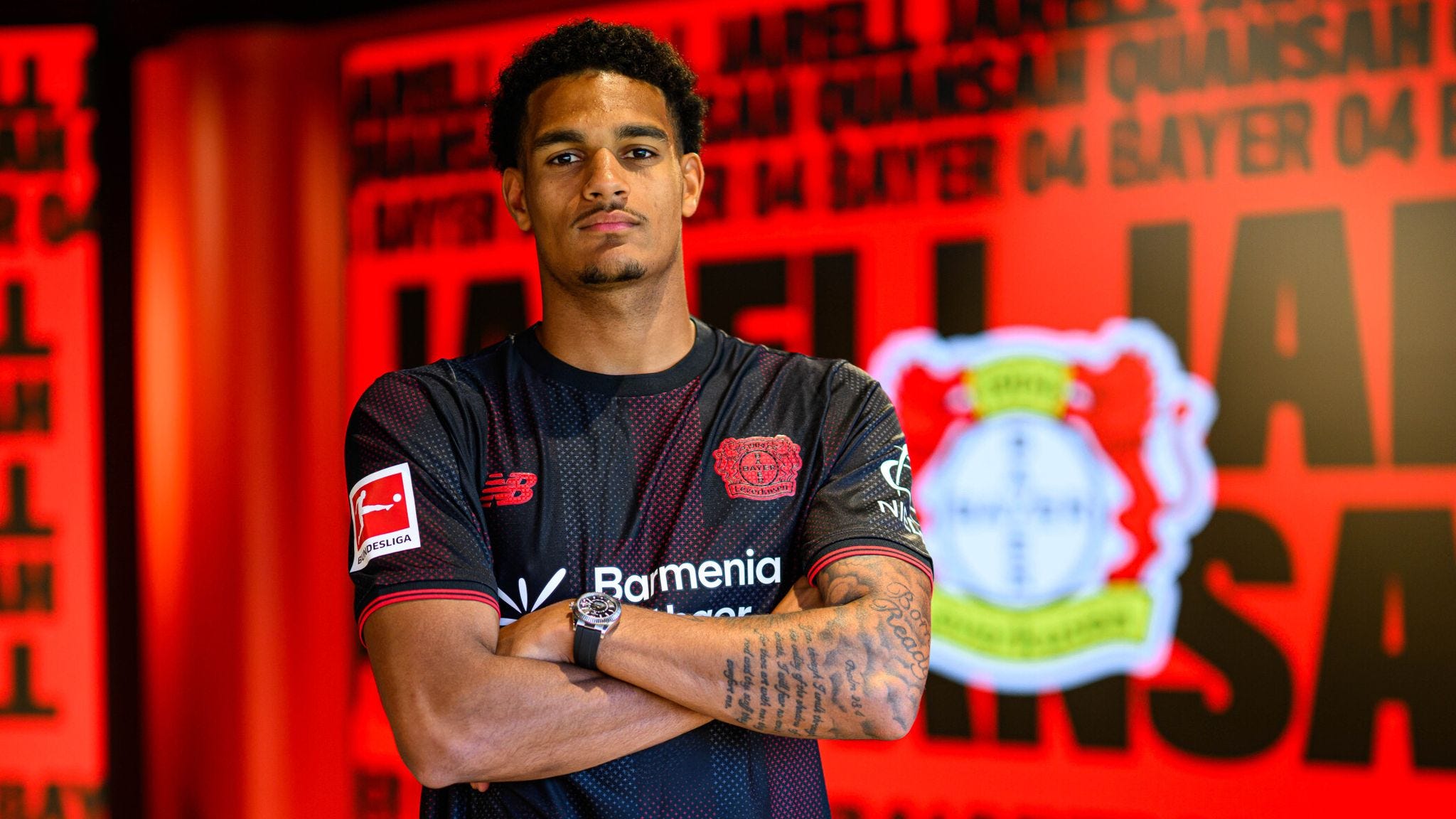
But on top of all that, we not only picked up a player we didn’t need, but also sacrificed two that would’ve been really handy to have in the form of Jarell and Harvey Elliott. Now these were direct results of their interaction with the head coach. Arne didn’t want them and essentially refused to play them, from all appearances. The disagreement between him and Hughes/Edwards in the case of Jarell is evident in the substantial buyback clause that was inserted into the deal with Leverkusen. In the case of Harvey, I think it was an acknowledgment of the reality that Harvey is likely a PL-level player, but perhaps not a Liverpool-PL-level player. He’s a ‘tweener, not fast enough to play the wing and not big or durable enough (in modern PL terms) to play a Dominik-like role. All of that said, there were certainly moments during this campaign where having a warm body like Harvey’s on the pitch would’ve served us far more than running Alexis Mac Allister out there again and it goes without saying that Jarell stepping in for either exhausted CB would’ve been not only useful but probably more effective than handing the spot off to 18-year-old Giovanni Leoni, even before his catastrophic knee injury.
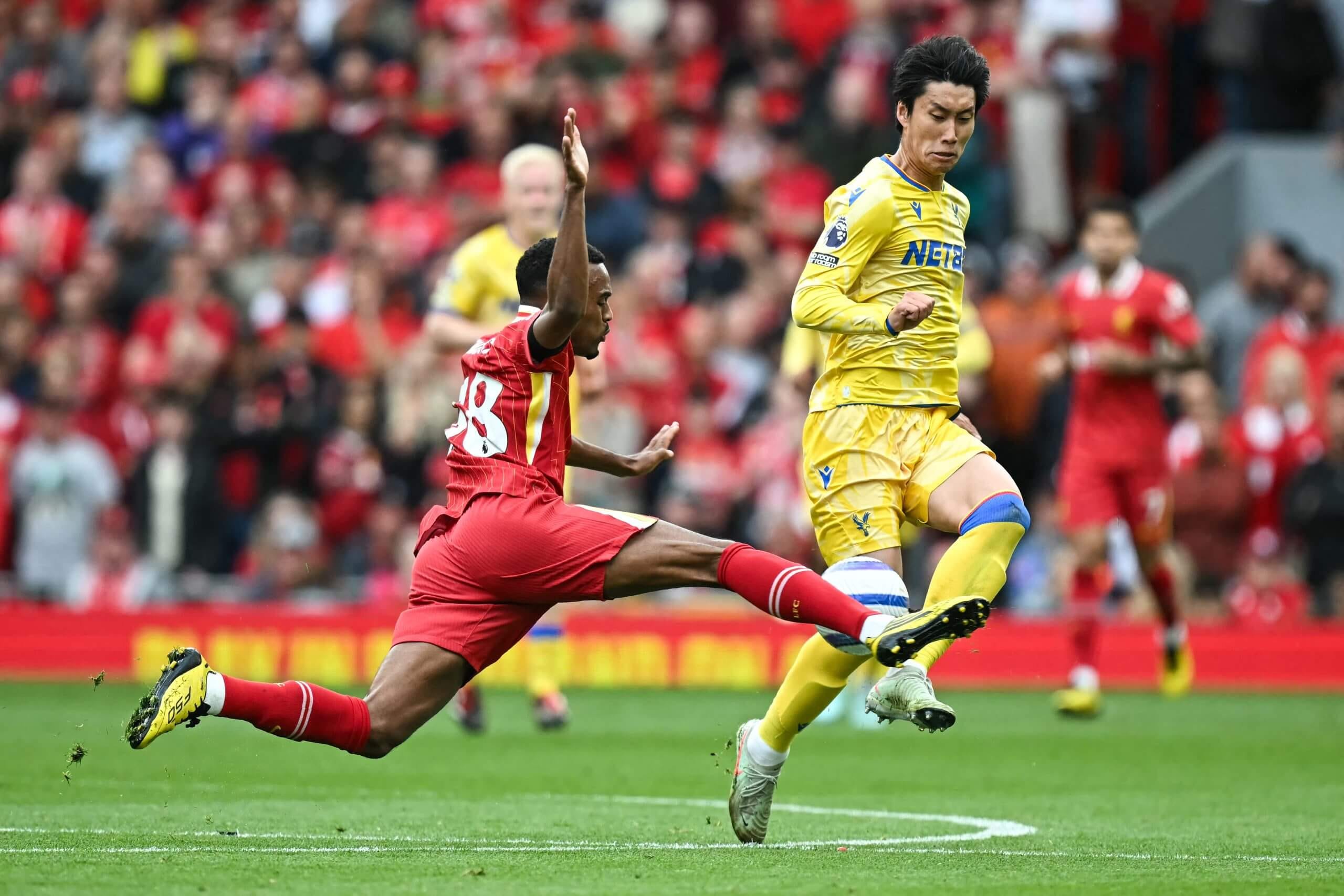
That injury only highlights the outright failure in terms of CB recruiting. We acquired another one in Giovanni, but gave one away in Jarell, leaving us with just the starting pair of Virgil Van Dijk and Ibrahima Konaté and the oft-injured Joe Gomez as backup with Ryan Gravenberch serving as last ditch fill-in. This is all presuming we were going to remain in a 4-3-3 or 4-3-2-1 formation. But given that it’s hard to tell what formation or playing style Slot has been trying to execute this season, there’s no telling if the idea was also to make the frequent three-at-the-back when in possession a consistent thing, with Robbo sliding over to make three CBs. I could’ve told you that wasn’t going to work right away for three reasons: 1. Playing CB is totally contrary to Robbo’s instincts. 2. If the intent was to make Milos the starter, given Robbo’s slowing down, he can’t play CB if he’s not on the pitch and Milos is even less of a CB than Andy. 3. Making our left back a CB in possession seems to deprive us of the attacking intent which makes up the identity of both LBs in question and was the whole reason we bought Milos in the first place, unless I’m missing something. The slide from the right doesn’t work, either, since it runs into the same problems, on top of the fact that neither Jeremie nor the also oft-injured Conor Bradley should be relied upon in that role. They’re just not that type of player.
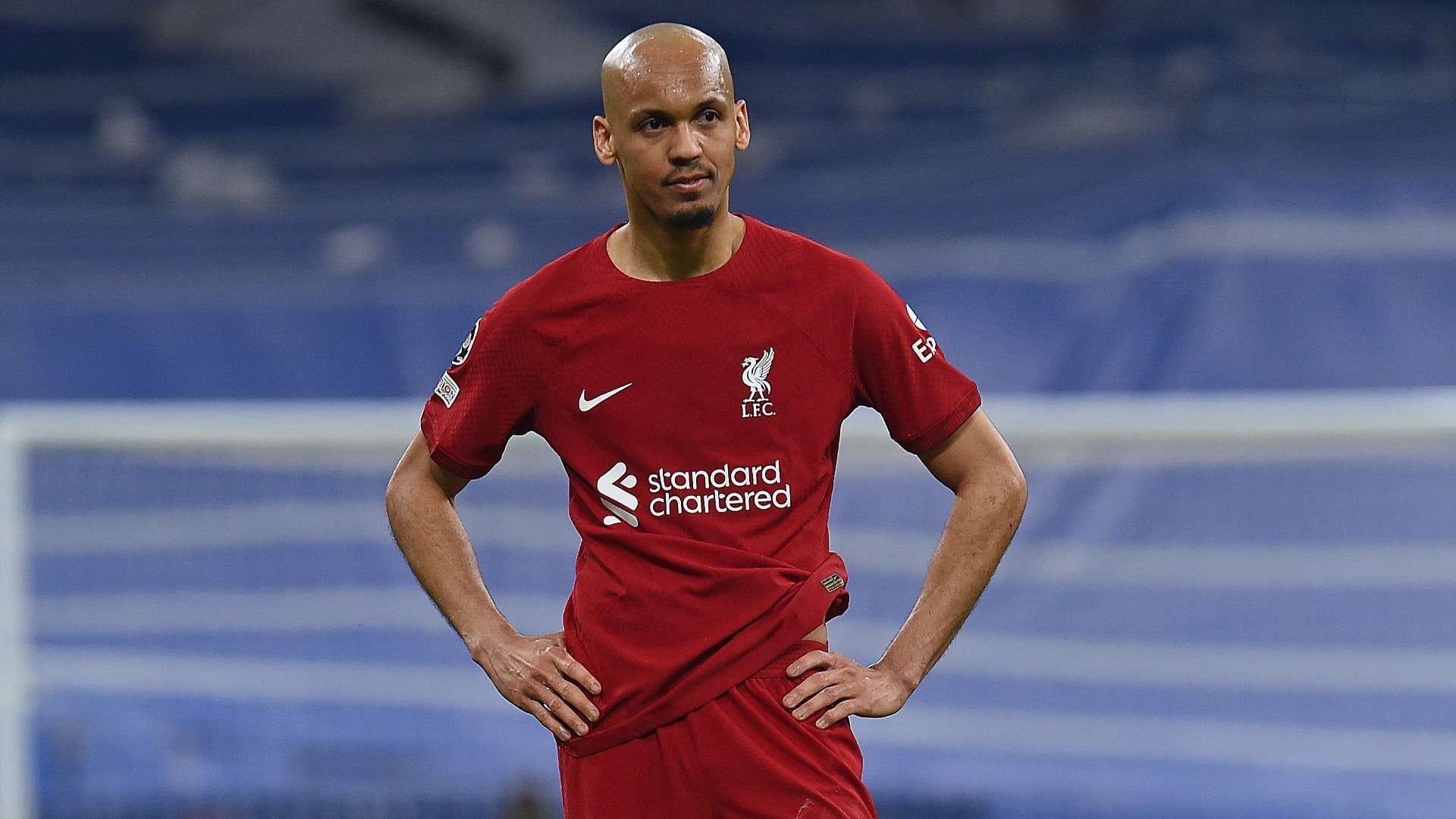
On top of that, depending on Ryan to be the last-ditch savior not only brings up horrible memories of trying to do the same with Fabinho in our last post-title season collapse (‘20-’21), but also means putting even more mileage on a player who was already reaching the point of exhaustion in April of last season (and has done so again this season.) This is, to continue the parallel, the same problem we had with Fabinho, in that Jürgen was unwilling to trust anyone else in the role and we put so many minutes on him that he eventually burned out sooner than he otherwise would have, in all likelihood. This is not something I would recommend for the only-today 24-year-old Ryan Gravenberch who, in some ways, has kind of been found out in the same way that Flo has, as his effectiveness at the #6 role has been much reduced from last season but that, too, may be a result of all of the factors in our analysis (new players, coaching plans, player performance.) At one point, Ryan was gleeful about the new freedom that Arne had given him to move forward on the pitch, but that led to so many defensive breakdowns that it was subsequently abandoned about two months later than it should’ve been.
So, summing all of that up, it brings a conclusion most helpfully summarized by The Liverpool Offside during last night’s match against Aston Villa: “Hughes, Edwards, and Slot were given a side everyone agreed was a strong foundation for another dominant Liverpool side, won a title with that group, and then over ~15 months managed to get us to a point where everyone agrees we need a total fucking rebuild.” Now, I’m not as adamant about that in terms of failure because, again, there was nothing we could do about the loss of Trent and it’s hard to argue that Hughes/Edwards didn’t make the right business decision in terms of Lucho, which is a key part of the post-Jürgen/new Edwards era, in that we often held on to players long past the point we should’ve sold them because Jürgen valued loyalty above all else and it doesn’t help the club stay sustainable, economically, to keep losing value like that on a regular basis. That is, of course, the reason for the departures of Jarell, Tyler Morton, Ben Gannon-Doak, Caoimhin Kelleher, all of whom might have come in handy this season, if not to be options on the bench that the coach never uses… I say “might” because I’m still not convinced that either Ben or Tyler are, again, Liverpool-PL-level players, despite Tyler apparently flourishing at Lyon (again, a significant step down from the PL.)
So, yeah, I think the plan was flawed from the get-go, which certainly doesn’t serve the interests of the coach and can have impact on the players, as well. But we’ll get into the former (coaching) in the next bit.